Government Rejects E20 Fuel Concerns, Says No Evidence of Damage to Older Vehicles
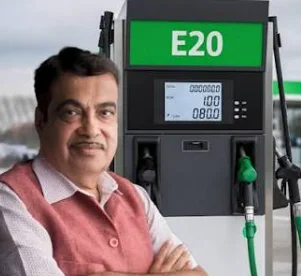
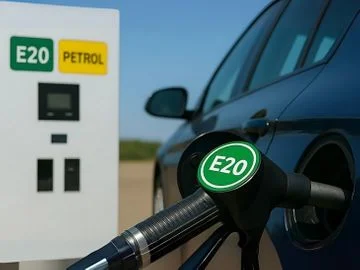
New Delhi, July 10: The government on Friday dismissed concerns that E20 ethanol-blended petrol causes damage to older vehicles, stating that the fuel has undergone extensive scientific testing and real-world validation without any evidence of widespread engine or fuel system failures.
The Ministry of Petroleum and Natural Gas said claims that E20 fuel leads to rubber hose damage, engine problems or fuel tank corrosion are not supported by scientific data. It attributed such concerns to misinformation surrounding India’s ethanol blending programme.
The government said the shift from E10 to E20 was carried out after consultations with automobile manufacturers, the Automotive Research Association of India (ARAI), the Society of Indian Automobile Manufacturers (SIAM), oil marketing companies and technical institutions.
According to the ministry, E20 fuel underwent more than 40,000 km of testing covering engine durability, fuel system performance, material compatibility, corrosion resistance, emissions and overall vehicle performance before its rollout.
Citing industry experience, the government said Maruti Suzuki alone has serviced nearly 2.5 crore vehicles, including around 1.5 crore older vehicles that were not originally certified for E20 compatibility, without any major issues being reported.
The ministry clarified that older vehicle manuals mentioning “E10 compatible” only reflect the fuel standards at the time of certification and do not indicate that vehicles become unsafe after the introduction of updated fuel standards.
The government further stated that ethanol-blended petrol is regulated under Bureau of Indian Standards (BIS) specifications, with quality checks carried out across the supply chain.
It maintained that E20 is a safe, cleaner and scientifically validated fuel, urging consumers not to rely on unverified claims circulating on social media.