SRINAGAR, NOVEMBER 15: A gradual transformation is taking place in Kashmiri households as electric hamams increasingly replace traditional firewood-based heating systems, offering residents a cleaner, more affordable and convenient way to stay warm during the harsh winter months.
Once considered an unfamiliar concept in Kashmir, electric hamams have developed into a growing industry over the past decade, attracting increasing demand because of their ease of use, comfort and modern heating technology.
For generations, traditional hamams have remained an essential part of Kashmiri homes during winter. These structures feature a hollow chamber beneath limestone flooring, which is heated by burning firewood to keep rooms warm when temperatures fall several degrees below freezing.
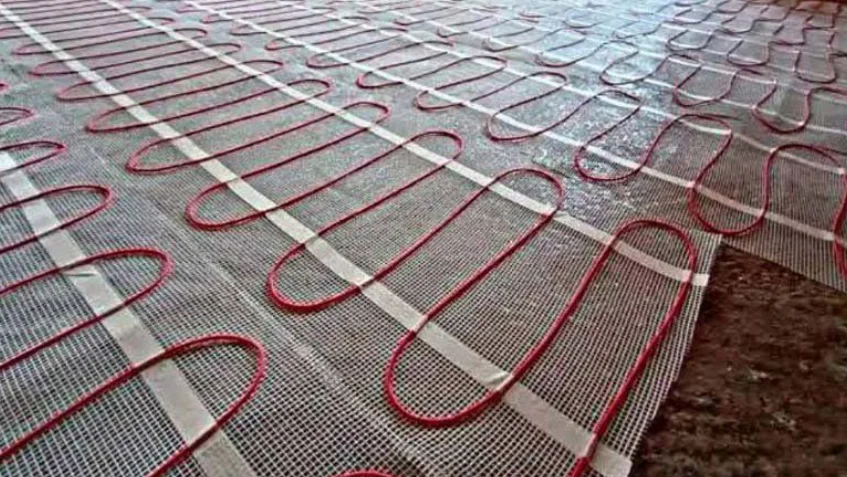
However, an increasing number of urban and suburban households are now opting for electric alternatives, replacing firewood, smoke and daily maintenance with thermostats and underfloor heating elements.
Electric hamams offer a comparatively economical alternative to conventional systems. While installing a traditional hamam can cost upwards of Rs 1 lakh, electric versions in most households are available for less than Rs 50,000.
Although the technology initially faced resistance due to concerns about installing electrical circuits beneath finished flooring, it has gradually gained acceptance across the Valley.
“There is a growing trend of people now installing electric hamams in Kashmir. Over the last few years, the business has grown, and there is an increase in queries as well as demand for electric hamams,” said dealer Asif Ahmad.
BuyMapsHe said specialised installation teams now operate across the Valley, supported by a competitive network of dealers offering different brands and price ranges.
Explaining the technology, Ahmad said electric hamams are modern versions of traditional heating systems, using electrical elements installed beneath tiles or flooring to generate heat.
He added that the systems provide better temperature control and eliminate the need to store and burn firewood.
Unlike conventional hamams, electric models require no daily stoking, firewood storage or ash cleaning and produce no indoor smoke, making them a cleaner option for households.
According to Ahmad, modern installations also feature insulation that helps retain heat for four to five hours after the system is switched off, reducing the need for continuous operation.
Another dealer, Mohammad Owais, said rising costs and the labour involved in sourcing quality firewood, particularly in urban areas such as Srinagar, were encouraging homeowners to consider electric heating systems.
He said electric heating mats and cables could be installed in existing rooms or newly constructed houses within a few hours, whereas traditional stone hamams require extensive masonry work during construction.
Highlighting their benefits, Owais said electric hamams provide uniform heat distribution across the floor and offer convenient heating with minimal maintenance requirements.
Khurshid Sofi, a local resident who has been using an electric hamam for more than two years, said the technology had made winter heating considerably easier.
He said the system was simple to install and operate, requiring only the press of a switch, while eliminating the need for regular firewood arrangements, cleaning and maintenance.
However, concerns remain over the reliability of electric hamams during winter, particularly because of frequent power outages and rising electricity tariffs.
Despite these challenges, Sofi said the convenience and other advantages of electric hamams outweighed their limitations.