
US Launches Fresh Strikes on Iranian Targets After Attacks on Gulf Shipping Route
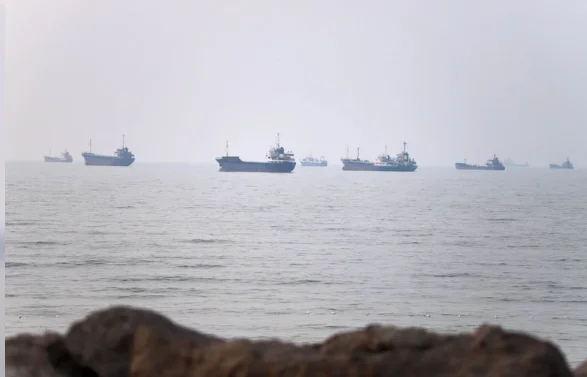
DUBAI, Jul 8: The United States military launched a fresh wave of strikes against Iranian targets on Wednesday after three commercial vessels were attacked in waters near Oman, escalating tensions despite efforts to maintain a ceasefire.
US Central Command said American forces carried out the strikes to “impose heavy costs” on those responsible for targeting commercial shipping carrying civilian crews in international waters. The command accused Iran of “unwarranted and dangerous aggression” and said the attacks represented a violation of the ceasefire.
The strikes followed attacks on three tankers in the Strait of Hormuz, one of the world’s most important energy corridors. The UK Maritime Trade Operations Centre reported that the vessels were hit by projectiles on Tuesday, with one tanker catching fire after being struck near Oman.
Two other ships suffered damage but continued their journeys, and no casualties were reported. Iranian state television claimed a liquefied natural gas tanker was targeted after ignoring warnings, though Tehran did not directly claim responsibility for the incident.
The United States also revoked a temporary licence that had allowed the sale of Iranian oil as part of an interim agreement aimed at reducing tensions and ending the conflict between Washington and Tehran.
A US official said the licence was cancelled because Iran’s actions in the Strait of Hormuz were unacceptable and required consequences. The official spoke anonymously due to the sensitivity of the matter.
The latest attacks marked the most significant disruption in the fuel-shipping route since late April, according to the UN International Maritime Organization. The incidents raised concerns over global energy supplies and threatened efforts to restore normal shipping operations.
The US has been pushing for negotiations with Iran to reopen the strait fully, address concerns over Tehran’s nuclear programme and work toward a permanent end to the war that began on February 28.
The Strait of Hormuz is a crucial global trade route, with around one-fifth of the world’s oil and natural gas supplies passing through it during normal conditions.
Qatar condemned the attack on the tanker Al Rekayyat, calling it a serious violation of international law and a threat to global energy security. Qatari Foreign Ministry spokesperson Majed Al-Ansari said Doha held Iran legally responsible for the incident.
Meanwhile, talks between the US and Iran remain stalled following the death of Iran’s Supreme Leader Ayatollah Ali Khamenei, whose funeral ceremonies were held in the city of Qom.
The latest escalation has heightened fears of further instability in the Gulf region, with international shipping companies closely monitoring developments in the strategic waterway.