
Geneva, Sept 25: India strongly criticised Pakistan at the United Nations Human Rights Council, accusing Islamabad of diverting attention from its economic and domestic challenges by raising territorial issues and supporting cross-border terrorism.
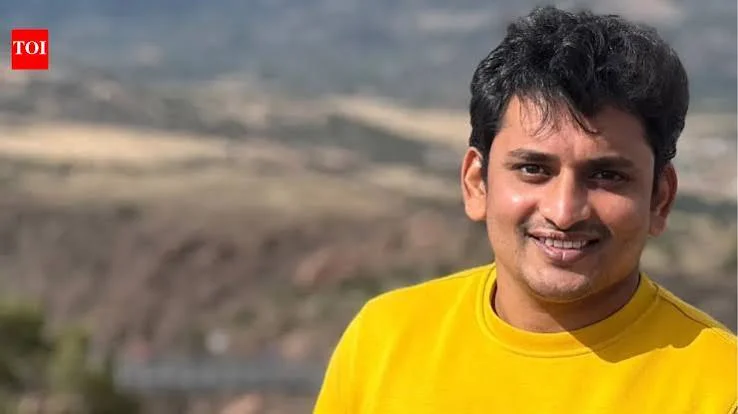
Speaking during India’s right of reply, Indian diplomat Kshitij Tyagi said Pakistan should focus on development and its debt-ridden economy instead of pursuing territorial ambitions or promoting terrorism.
Tyagi said that neither terrorism nor political theatrics at the UN would help Pakistan address the financial pressures facing its economy.
India also highlighted the situation in Pakistan-occupied Jammu and Kashmir (PoJK), referring to reports of civilian deaths, arrests and restrictions on essential supplies including food, fuel and medicines.
Tyagi questioned Pakistan’s criticism of India while, according to India, serious allegations of human rights violations and restrictions on civilians in areas under Pakistan’s control remain unresolved.
Reiterating New Delhi’s position on Jammu and Kashmir, India said the Union Territory is an integral part of the country and called on Pakistan to vacate territories it occupies.
India also accused Pakistan-based proxy groups of carrying out attacks against civilians of different communities, including Muslims, and questioned Islamabad’s demand for international investigations.
Meanwhile, MEA spokesperson Randhir Jaiswal rejected Pakistan’s communication to the UN Security Council regarding a Court of Arbitration pronouncement linked to the Indus Waters Treaty.
Jaiswal said Pakistan was misrepresenting the legal process and argued that the body involved was not the Permanent Court of Arbitration as portrayed by Islamabad.
He reiterated India’s position that the proceedings were conducted by what New Delhi considers an illegally constituted court, and said India’s position on the issue remains unchanged.
The exchange at the UN comes amid continuing diplomatic tensions between India and Pakistan over Jammu and Kashmir, terrorism and the Indus Waters Treaty.