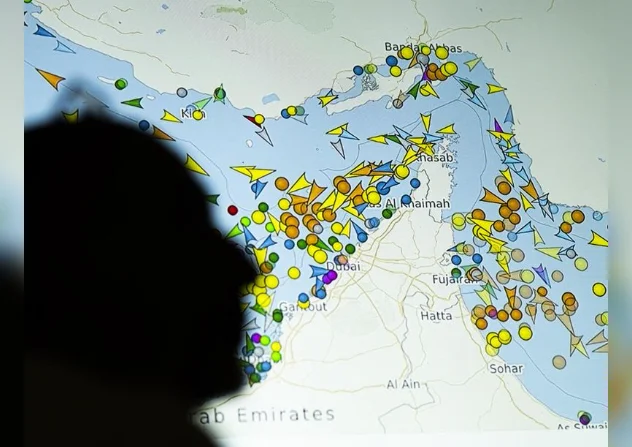
WASHINGTON/TEHRAN, Aug 13: Shipping traffic through the strategically vital Strait of Hormuz remained far below normal on Thursday, with only 14 vessels crossing the waterway, as tensions between the United States and Iran continued to escalate.
Maritime intelligence firm Kpler said the figure was a slight increase from the weekend but remained drastically below the roughly 120 vessels that crossed the strait daily before the US-Israeli war with Iran began in late February.
Of the vessels recorded on Tuesday, 11 used an Iranian-approved route, while none travelled through the traditional central channel. Kpler said the increase did not indicate a return to normal shipping operations.
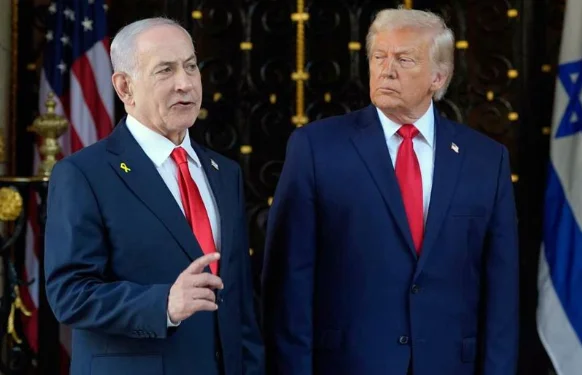
US President Donald Trump again claimed that Washington had complete control over the Strait of Hormuz, saying the US naval presence had created what he described as a “wall of steel”. He also said American forces had swept the waterway for mines and made it safe for passage.
Iran rejected the US claims. Foreign Minister Abbas Araghchi accused Washington of relying on faulty intelligence and warned that its actions in the Strait of Hormuz amounted to an “even bigger miscalculation”.
“Worse than fake news is fake intelligence,” Araghchi said in a post on X.
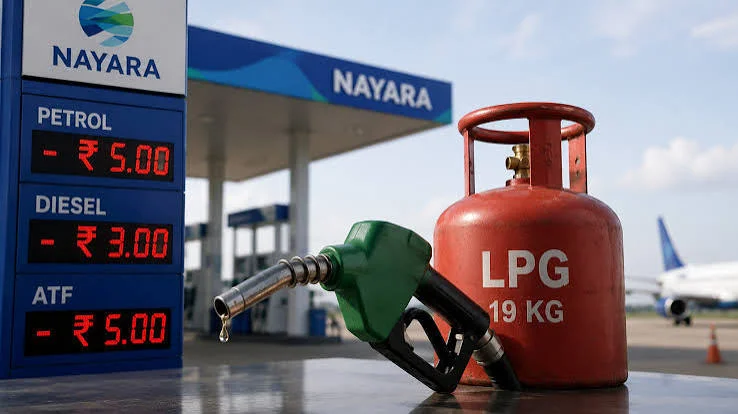
The disruption has raised concerns over global energy supplies and prices. The International Energy Agency has warned that reopening the waterway is becoming increasingly urgent as global oil inventories decline.
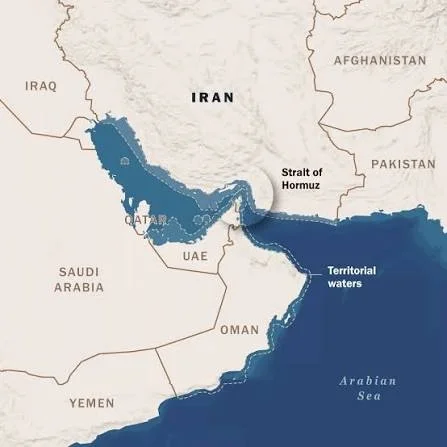
The Strait of Hormuz, located between Iran and Oman, is one of the world’s most important energy chokepoints. It previously carried around 20 million barrels of oil a day, equivalent to roughly one-fifth of global oil production, along with a significant share of global liquefied natural gas shipments.
Energy analysts expect oil and gas prices to remain elevated until shipping through the strait becomes more reliable. Saudi Arabia and the United Arab Emirates are meanwhile exploring ways to increase crude exports through alternative routes.
The disruption has also triggered environmental concerns. Iran has called for compensation over pollution in the Persian Gulf, while Oman reported that an oil spill from a sanctioned tanker carrying Russian crude had reached its coastline.
Iranian officials also continued to assert control over the waterway. Hossein Taeb, commander of the paramilitary Basij Organisation, said the Strait of Hormuz remained under the “management and control” of Iran.
Separately, 32 countries, including 29 European nations, Canada, Australia and New Zealand, condemned Iran’s use of the death penalty against protesters and urged Tehran to respect freedom of expression and peaceful assembly.