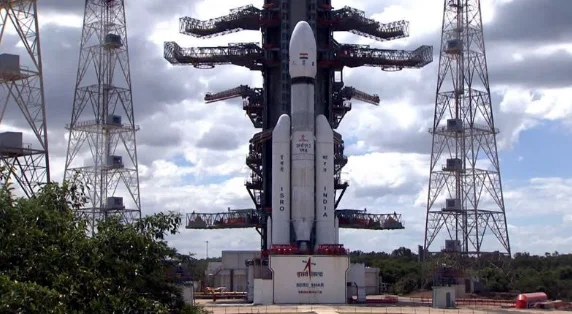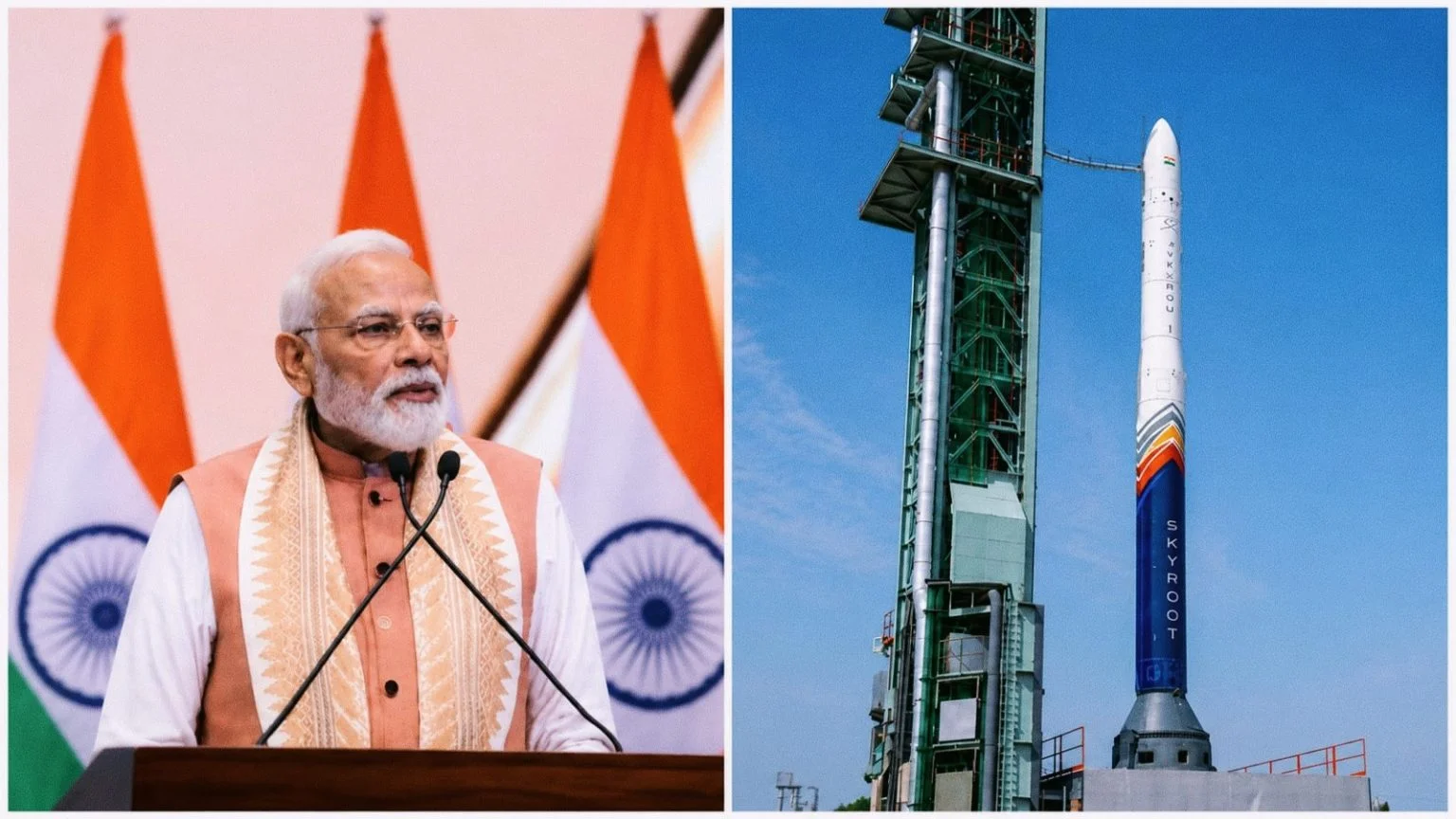
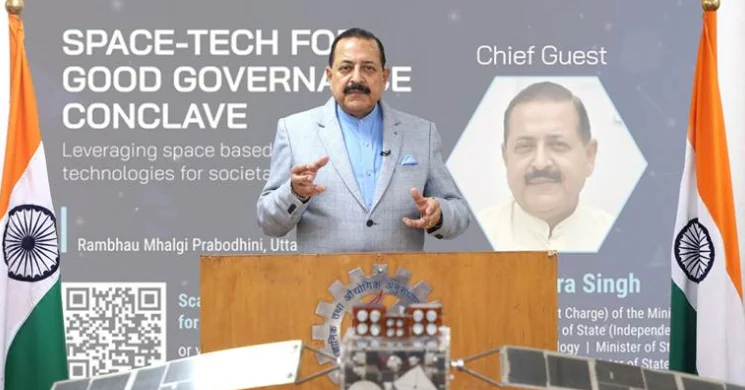
NEW DELHI, Aug 13: Union Minister of State for Space Dr Jitendra Singh on Thursday informed the Rajya Sabha that the Indian Space Research Organisation (ISRO) is taking several measures to address the growing threat of space debris arising from large Low Earth Orbit (LEO) satellite constellations used for internet services.
He said ISRO’s ‘Debris Free Space Mission’ is aimed at safeguarding space assets and preventing further accumulation of debris through measures including Active Debris Removal (ADR) and improved end-of-life disposal of satellites.
Singh noted that internet satellite constellations can comprise thousands of satellites, increasing the risk of collisions in heavily populated orbital regions. While many satellites are equipped with autonomous collision-avoidance systems, some may malfunction and become incapable of manoeuvring.
He also highlighted the risks posed by small, difficult-to-track debris, which can cause severe damage to operational satellites and potentially trigger further fragmentation.
The Minister said India actively participates in international efforts on space debris mitigation through bodies including the Inter-Agency Space Debris Coordination Committee (IADC) and the UN Committee on the Peaceful Uses of Outer Space (UN-COPUOS).
ISRO has been a member of the IADC since 1996, while India also participates in international working groups dealing with Space Situational Awareness (SSA), long-term sustainability and space debris mitigation.
Singh said the Indian Space Policy mandates adoption of internationally recognised space debris mitigation guidelines, including measures for the safe disposal of satellites at the end of their operational lives.
He added that IN-SPACe guidelines issued in 2024 encourage Indian space entities to undertake post-mission disposal or ensure that satellites have limited orbital lifetimes through natural orbital decay.
Emphasising the importance of Space Situational Awareness, the Minister said better monitoring and tracking of space objects, satellite manoeuvrability, registration and information sharing are essential for long-term space sustainability.
He stressed that international cooperation and data sharing must be complemented by indigenous capabilities, research and development, and innovative technologies to monitor and manage space debris.
Singh said wider adoption of recognised mitigation measures and effective implementation of the Debris Free Space Mission would be crucial to protecting space assets and ensuring the sustainable use of Earth’s orbital environment.