Congress Criticises E20 Fuel Rollout, Questions Government’s Environmental Claims
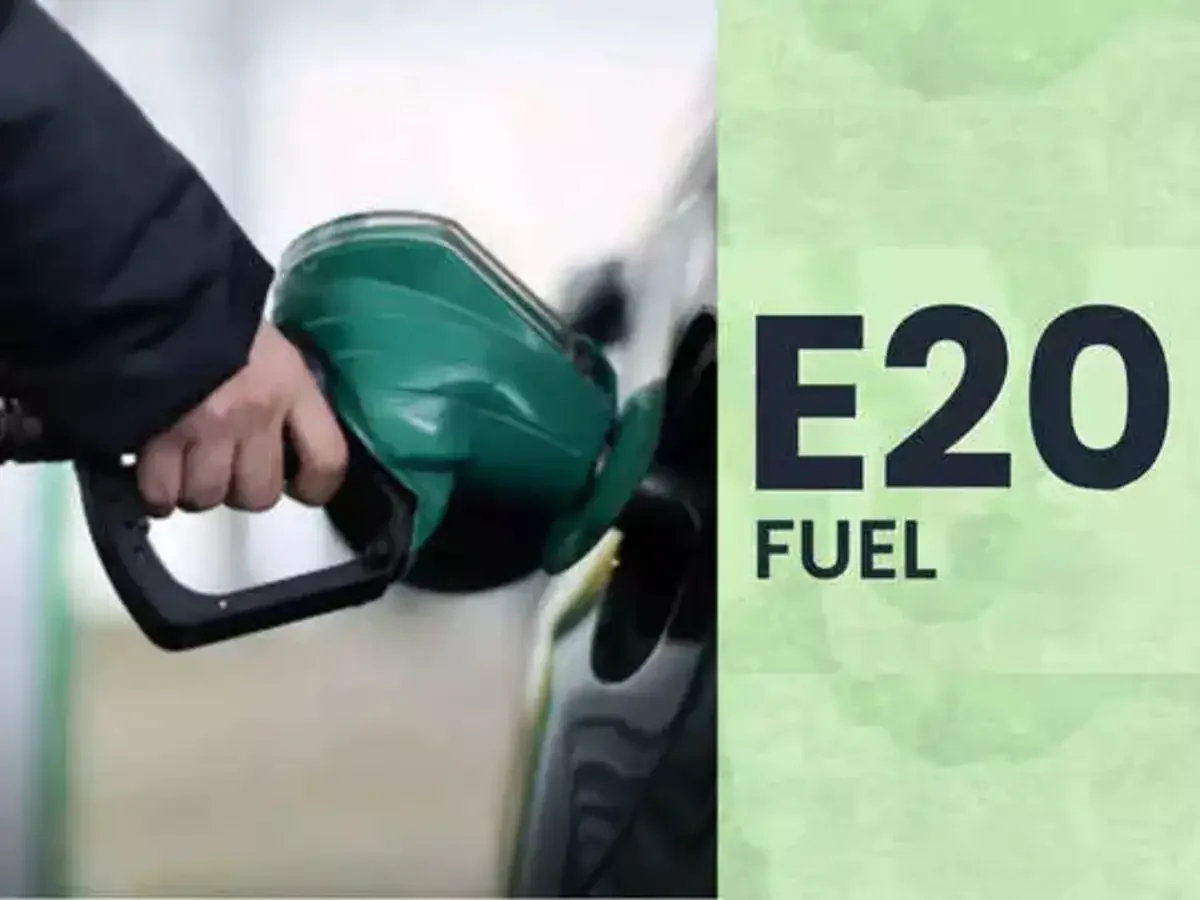
New Delhi, Aug 6: The Congress on Thursday intensified its criticism of the Centre over the nationwide rollout of E20 fuel, alleging that the policy is driven by motives other than environmental protection and warning that it could have serious implications for water resources and food security.
Congress general secretary Jairam Ramesh said the government has projected the rapid introduction of E20 petrol as a measure to reduce pollution and cut dependence on imported crude oil. However, he argued that any assessment of the policy’s environmental benefits must also consider its broader ecological impact.
Ramesh pointed out that, unlike many countries that produce ethanol from agricultural residues and waste biomass, India primarily relies on sugarcane, rice and maize for ethanol production. History
He said these crops are highly water-intensive, noting that sugarcane and paddy together account for nearly 70 per cent of India’s irrigation water use. According to him, producing one litre of sugarcane-based ethanol requires about 3,630 litres of water, while rice-based ethanol may consume up to 10,790 litres. Maize-based ethanol, he added, requires around 4,670 litres of water per litre of fuel.
Describing the figures as alarming, Ramesh said the increased demand for such crops could worsen groundwater depletion in several parts of the country.
He also referred to the NITI Aayog’s 2021 ethanol roadmap, saying it had recommended a gradual shift towards more sustainable feedstocks. However, he alleged that the government continues to subsidise rice for ethanol production, supplying it to distilleries at nearly 40 per cent below the average procurement cost.
“A genuinely green fuel policy must account for the entire ecological footprint of the fuel it promotes,” Ramesh said, asserting that the motivations behind the E20 rollout are “clearly not environmental.”
On Wednesday, the Congress had alleged that the nationwide introduction of E20 petrol has increased fuel costs for consumers, limited their choice, and adversely affected vehicles purchased by middle-class families. The party also claimed that ethanol producers were the primary beneficiaries of the policy and accused the government of failing to present adequate data to support its claims about the fuel’s safety and benefits.